The small things are really big things.
More and more as I interact with clients, hear their stories, and observe how their bodies respond on my table, I am convinced of the value of working in a trauma-informed way. What may seem like subtle differences to some, make a BIG difference to others.
A lot of this starts with a thorough intake, and really listening to the client from the beginning. It starts with understanding their goals for the session and explaining how I work, and what it means that I work in a trauma-informed way.
It means that I check in pretty frequently about pressure, comfortability, working various body parts, etc. While not a big deal to some, this is very empowering for others to be able to speak up and verbalize their wants or needs. I tell people at the beginning that they have full freedom to tell me to stop, to change their mind, to ask for something to be different or adjusted. Communicating this up front, and then responding accordingly when they speak up is key. I’ve had numerous clients thank me for actually listening to them when they spoke up, and thank me for making them feel empowered, and not like an annoyance or inconvenience if they asked for something. Allowing clients to be in the driver’s seat is very important to me.
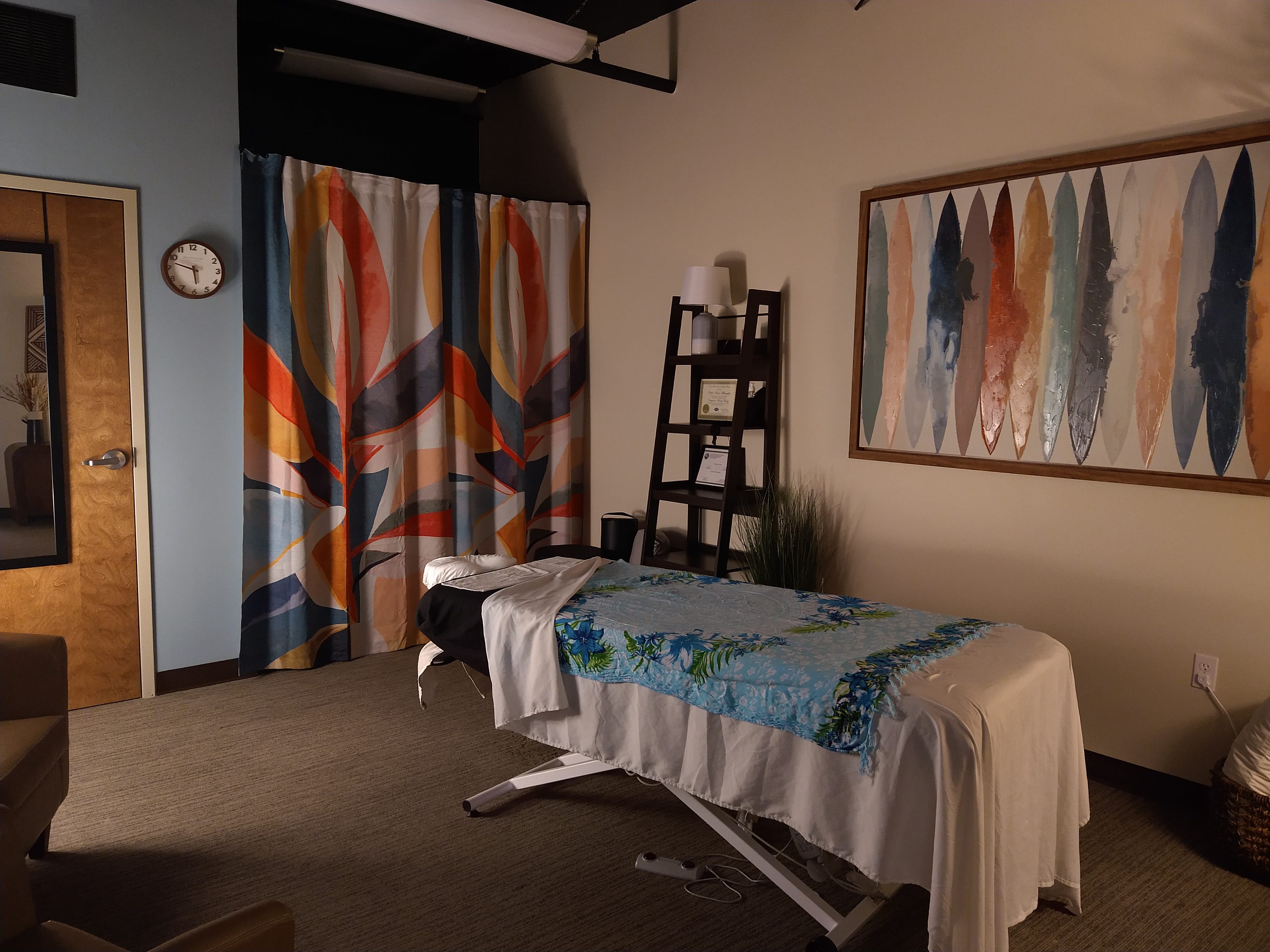
It also means I am conscious of any trauma history clients have shared with me (or may not have shared). If I am aware that there is a history of abuse, an accident or injury in a certain area, or shame about how their body looks, I keep this front of mind. I check in and explicitly ask if certain positions are okay to be in, if they are comfortable with me working in a specific way (especially positions that might mimic/trigger something for them). More often than not I have clients thank me for asking, and then proceed with with, “Yes, it’s okay, I know I am safe here.” Creating this environment of safety and building trust with clients is essential when working in a trauma-informed way. It allows for re-introduction of safe touch and healing where there has been trauma.
Working in a trauma-informed way also means normalizing whatever shows up on the table. It is not uncommon for emotions, memories, or thoughts to show up when receiving bodywork. I tell clients from the get-go that this is a possibility, and if that happens, it’s okay and to try to allow their body to do what it needs/wants to do. Sometimes things appear in tears, or twitching, or shaking. Holding space, checking in, and allowing them to have their experience is often very healing. I’ve had clients tell me, “I did not expect that to happen, thank you for telling me in advance it was okay and I did not have to hold it in/shut it off/etc.” Often clients feel lighter, more relaxed and grounded after an experience like that.
These are just a few examples of small gestures and intentional decisions that make a huge difference for our clients. It’s what sets Studio A apart from other places, and what we enjoy so much about our work.
Openings in this Saturday’s Release & Refresh Class
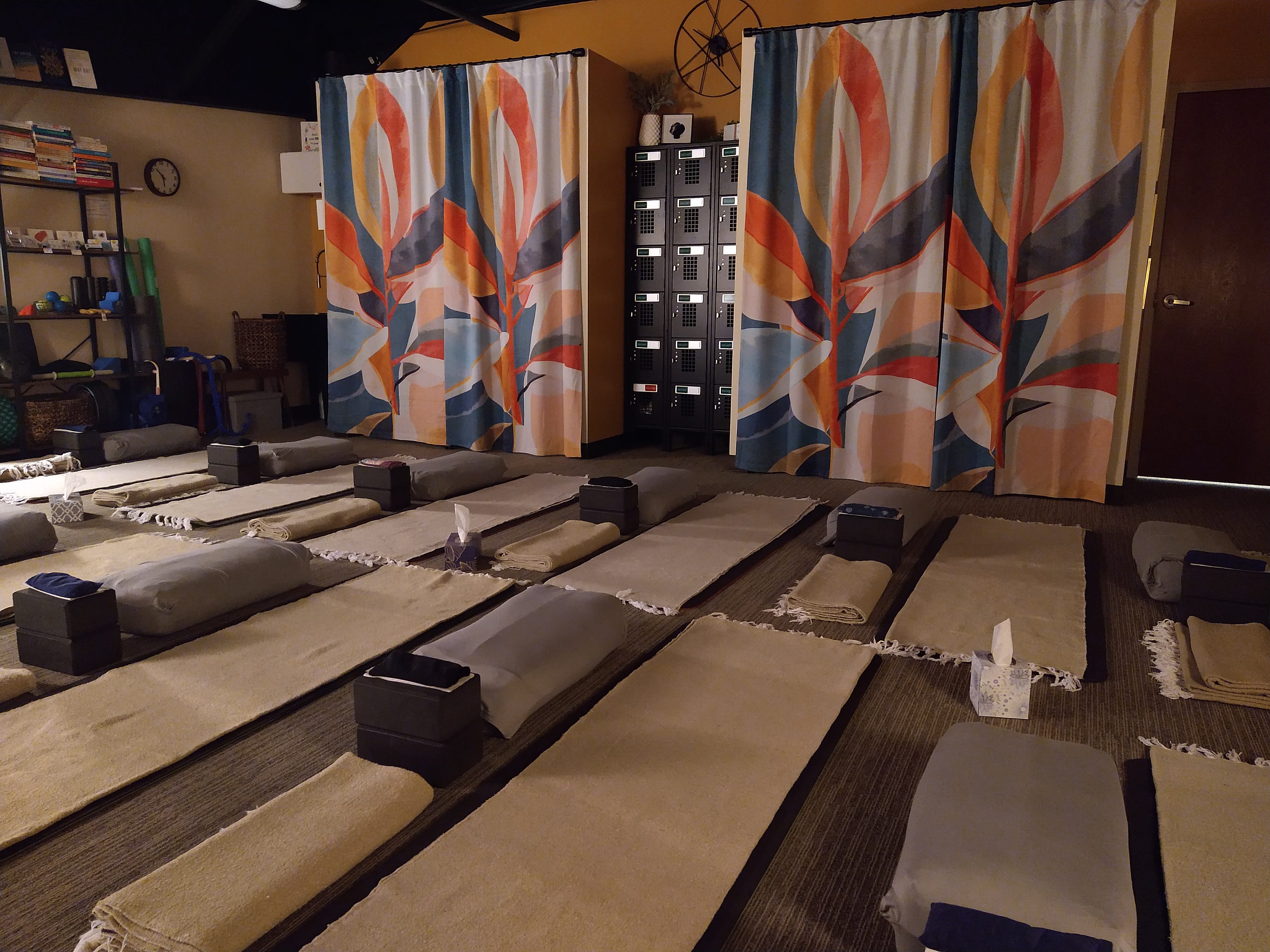
Come spend your Saturday morning with me (Callie) at our Release & Refresh class! What better way to start your weekend off than with intentionally releasing tension in your body and allowing your body to drop out of fight/flight/freeze and into more calm? I would love to have you join us! Learn more about this class here.
Saturday, March 21 - 9:00-10:30am - $24
We also have a R&R class on Wednesday, April 8, 7:00pm, as well as Friday, April 24, 7:00pm and Saturday, April 25, 9:00am. Take your pick of date/time that works for you!